
Transportation
Behavioral Science to Influence Transportation Decisions

Transportation
Behavioral Science to Influence Transportation Decisions
Transforming the Way We Move
How we get around has a massive impact on greenhouse gas emissions.
Many cities and other institutions are working to shift transportation habits to reduce emissions. BEAR Hub can help apply behavioral science to reduce single-occupancy vehicle trips and encourage public transportation, biking, walking, or carpooling. When driving is necessary, we can help tailor training opportunities for drivers of cars, buses, trucks, or other vehicles that teach fuel-efficient operation. We can also help develop strategies to change more significant decisions, such as a household’s choice to buy an EV or plug-in hybrid (or not buy a vehicle at all).
Our approach considers communities' diverse needs, promoting equitable, practical solutions that make sustainable transportation more accessible for everyone.
Have a transportation program you'd like to talk to us about?
Apply for our technical assistance program!
Case Studies
Moab Public Transportation
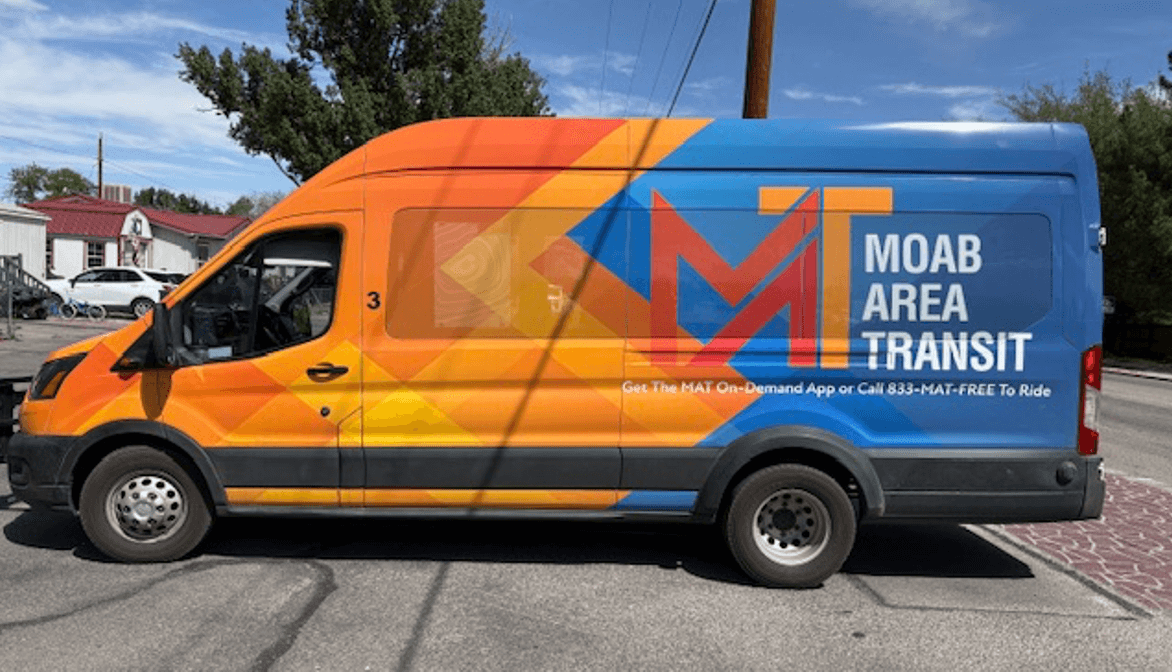
The City of Moab operates a free fixed-route bus service (Moab Area Transit, or MAT) that runs along the downtown corridor. The service is designed primarily for tourists, providing a convenient way to travel between accommodations, restaurants, and shops during peak tourism seasons. The City partnered with BEAR Hub to understand why people were not choosing the fixed-route service and to identify opportunities to make it an easier, more appealing alternative transportation option.
Key Takeaways
Ridership only increased at stops where hotel/service providers had strong knowledge of MAT. Knowledge level was associated with ridership at 81% of stops.
In person conversations about MAT with service providers along the route were followed by a 38% increase in ridership.
An iterative approach is critical. Diagnosing and addressing issues during an intervention period can dramatically improve results.
STEP 1: IDENTIFY A SPECIFIC BEHAVIOR TO CHANGE
The City of Moab operates a seasonal fixed-route bus service consisting of a single bus running on a 50-minute schedule during the busiest times of the day. The service is operational during peak tourism seasons, as it is intended to help visitors and temporary workers travel between hotels, restaurants, shops, and other destinations along the downtown corridor. However, the route was significantly underused while the City’s on-demand transit service was operating near capacity.
The target behavior was to increase ridership along this route. The City hoped this might reduce use of the busy on-demand service, which is also available for free (for outside the city center, primarily by non-tourists).
To better understand rider behavior, the city conducted both an online survey of 118 riders and non-riders prior to the start of the project and an intercept survey with people on the street to learn why they did or did not use the service.
STEP 2: IDENTIFY BARRIERS & BENEFITS FOR THE TARGET AUDIENCE
The data the City collected suggested tourists did not consider the Moab Area Transit fixed route service an option for their trips. Many did not know the service existed, how frequently it operated, where to board, or what route the bus traveled (making trip planning difficult).
These problems were reinforced by the physical environment. Bus stop signs were not clear (and in some cases did not exist), the buses looked different from what many visitors may have expected public transit to look like, and promotional materials prioritized the on-demand service over the fixed-route service.
STEP 3: BRAINSTORM, PRIORITIZE & SELECT BEHAVIOR CHANGE STRATEGIES
BEAR Hub proposed solutions to address the behavioral barriers identified during the diagnosis phase that might help increase awareness of the fixed-route service and fit the service into tourists’ existing routines and understanding of what public transit should be (their “schemas”). These recommendations included (1) integrating the bus service with Google maps to increase discoverability during trip planning, (2) improving bus stop signage with route information, schedules, and QR codes linking riders to real-time bus tracking, (3) changing the name of the service while adding updated bus route information directly to buses to increase route visibility, and (4) redesigning marketing materials and the transit app so that the fixed-route service would be presented to existing and potential riders as the default transportation option (as opposed to the current default on-demand service).
STEP 4: IMPLEMENT THE BEHAVIOR CHANGE STRATEGIES
With the exceptions of the app redesign and the real-time bus tracking, the City moved forward with implementing BEAR Hub’s recommendations.
BEAR Hub helped design messaging, signage, and communication materials supporting these recommendations. The new materials and design changes were rolled out between March and June as the tourism season began.
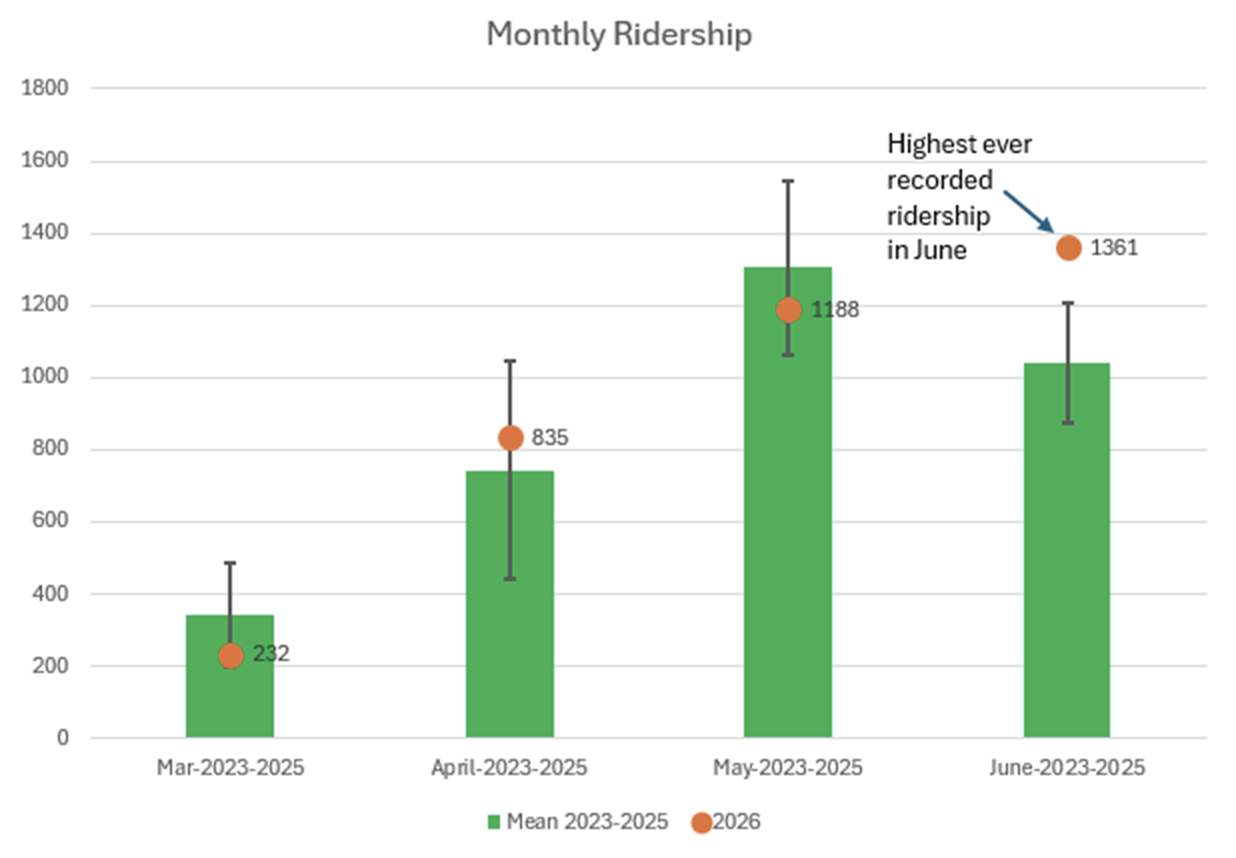
Unfortunately, at the midpoint of the evaluation period, these changes did not appear to increase ridership over 2025 levels. Although the ridership levels remained within the normal range relative to the previous three years, they had decreased slightly from the year before.
BEAR Hub took action and launched additional surveys and interviews to learn why the intervention was unsuccessful. This allowed us to further investigate where behavioral barriers remained and propose additional measures.
STEP 5: EVALUATE THE PROGRAM TO ITERATE AND IMPROVE
Follow-up interviews with the transit service manager and surveys of the bus drivers pointed to a new hypothesis: tourists may be less likely to use the fixed-route service when hotels and other service providers along the route are unfamiliar with it or do not recommend it to visitors.
To test this hypothesis, BEAR Hub recommended an “instrumentation as intervention” approach that would both test whether staff knowledge and recommendations were associated with ridership and, through the outreach itself, increase awareness of the service among these trusted intermediaries of local information.
At the beginning of June, a representative of the City went to the hotels and service providers located at 16 of the 18 transit stops and asked to speak to the front desk staff. At each stop, the City representative interviewed the staff and educated them about the service.
The results supported the hypothesis. For 81% of stops, the staff’s level of knowledge of Moab transit were reflected the change in ridership numbers in our data (higher knowledge was associated with more riders). Following this outreach effort, June ridership increased to the highest levels ever recorded for that month.
“BEAR Hub has been essential in our process of improving the Moab Area Transit. The time and perspective that Reuven and Grace have provided is allowing us to identify less evident issues that our staff doesn't have the time or expertise to look into. Because our office has a variety of other assignments, having Reuven and Grace share their passion and ideas for the efficiency of our transit has been a major factor in moving this project forward. I hope to further these collaborations to enhance our service.” - Sydney Maller, City of Moab
Reducing Single-Occupancy Vehicle Commuting
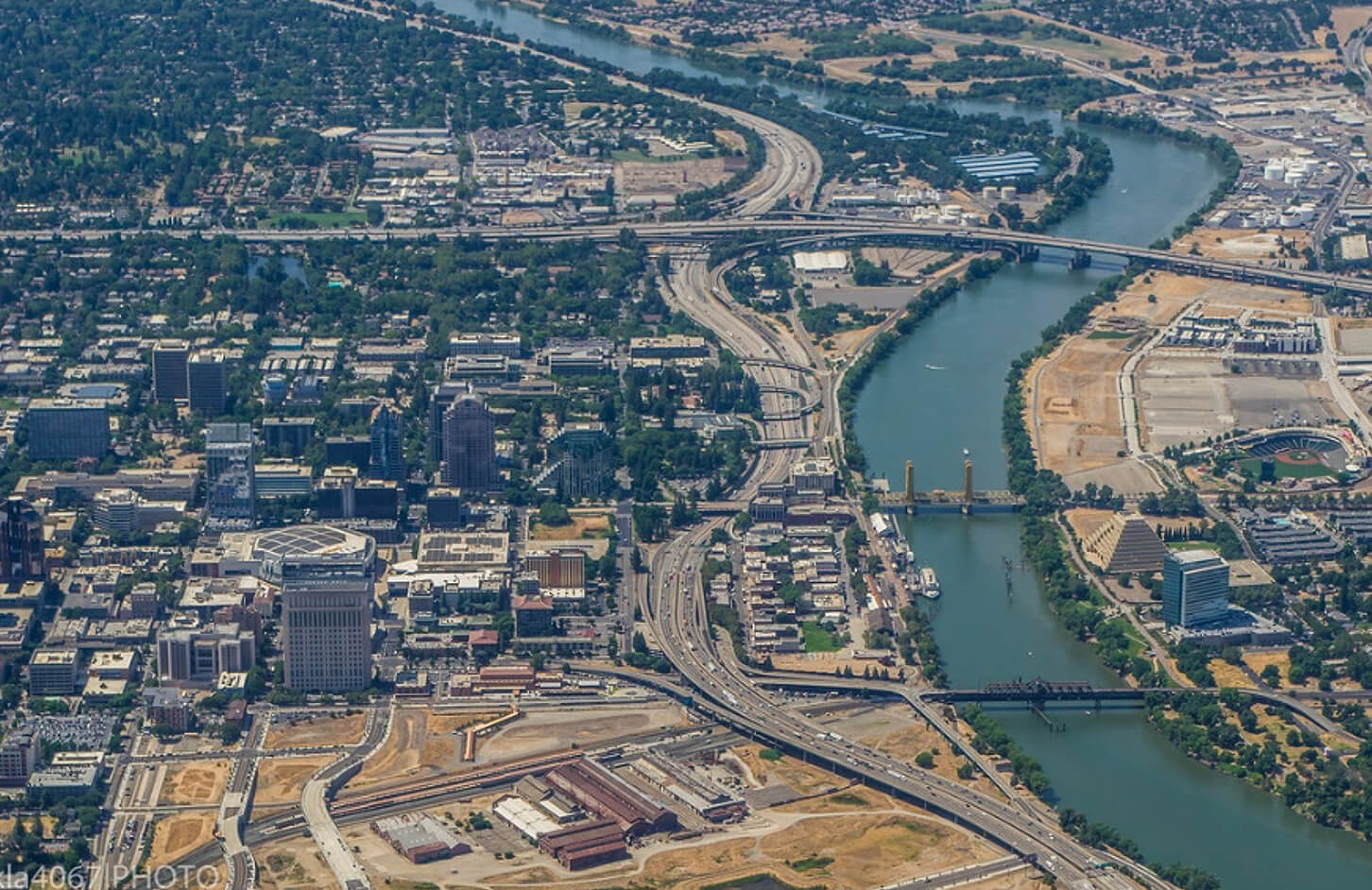
Sacramento County staff most often commute to work in single-occupancy vehicles. The Sacramento Department of Transportation wanted to encourage its 12,000 employees to commute by alternative modes more frequently.
Key Takeaways
During the BEAR Hub intervention, sustainable commute app registration increased 8.5x
During the BEAR Hub intervention, sustainable commuting by app users increased 30%
After the BEAR Hub intervention, sustainable commuting persisted at the same rate among app users
STEP 1: IDENTIFY A SPECIFIC BEHAVIOR TO CHANGE
Sacramento County wanted to reduce the number of employees commuting alone by car. There were many alternative transportation behaviors that could achieve this goal, which made specifying a target behavior an interesting sub-task for this challenge.
Rather than narrowing to one specific travel mode, BEAR Hub and the Sacramento Department of Transportation settled on two target behaviors:
- Increasing employee adoption of a sustainable commuting app, NorCal GO by Agile Mile.
- Encouraging employees to commute sustainably using an alternative mode of their choice (e.g., transit, biking, walking, e-scootering, carpooling, or vanpooling)
The NorCal GO app allows employees to track their commute behavior across a variety of sustainable commute modes, and it allows the research team to track the frequency of mode switching, send emails and messages to app users, and provide rewards and incentives directly to staff. It also facilitated carpooling by helping staff along similar commutes connect with each other.
A detailed transit survey of over 1,500 county staff, along with information about commute distances for every staff member helped inform BEAR Hub’s plans.
STEP 2: IDENTIFY BARRIERS & BENEFITS FOR THE TARGET AUDIENCE
Driving to work is a deeply habitual behavior. Despite parking costs and scarcity at some office locations, most Sacramento County employees drove to work and were likely not actively reconsidering their daily commute.
BEAR Hub’s diagnosis drew on Kurt Lewin’s concept of “unfreeze-change-freeze,” which suggests that established habits first need to be disrupted before new behaviors can take hold.
In order to change commuting habits, the team looked for ways to capitalize on naturally-occurring habit disruptions, such as when employees were starting a new job with the County and had not yet established a regular commuting routine, as well as ideas for disrupting existing employees commuting habits.
STEP 3: BRAINSTORM, PRIORITIZE & SELECT BEHAVIOR CHANGE STRATEGIES
Based on this diagnosis, BEAR Hub recommended changes in new staff orientation practices to encourage setting sustainable habits from the start and designed a one-month Employee Commute Try-Athlon campaign through which County staff were offered rewards for trying alternative transportation modes.
STEP 4: IMPLEMENT THE BEHAVIOR CHANGE STRATEGIES
The Try-Athlon campaign became the primary intervention we tested for this challenge. BEAR Hub worked closely with Sacramento County to develop the campaign implementation plan, determine the appropriate incentive structure and dollar amounts, and provide guidance for the design and content of flyers, emails, newsletter blurbs, and NorCal GO messages. The Try-Athlon was available to all staff in the first month but was especially heavily promoted (via direct email) to new staff.
STEP 5: EVALUATE THE PROGRAM TO ITERATE AND IMPROVE
The Try-Athlon campaign successfully increased employee engagement with the NorCal GO app. During the one-month campaign, 119 County staff registered for NorCal GO (1.7/day). In comparison, the rate of registrations was much lower before and after (0.2/day in the year prior, and 0.4/day in the seven weeks after).
Commuting behavior also changed. During the Try-Athlon, staff using NorCal GO chose to commute sustainably 30% more than before the Try-Athlon. They shifted a trip from single-occupancy vehicle (SOV) to a sustainable mode about once every 1.5 weeks compared to once every five weeks before the campaign. In nearly two months after the Try-Athlon (April 1–May 23), staff continued to shift commute trips at the same or slightly higher rate (about one trip every seven workdays).
New staff registered for NorCal GO at a rate 10 times higher than existing staff (8.5% vs 0.8%), which supports BEAR Hub’s original diagnosis that new staff might be a promising group to focus on for future efforts. However, the new staff did not shift travel modes as frequently as other staff, demonstrating that ongoing efforts with that group could be important. Nevertheless, the number of new staff was small in this study and, therefore, BEAR Hub recommended repeating the Try-Athlon with each cohort of new employees to further test how onboarding can be used as a habit formation intervention and refine strategies for supporting long-term behavior change.
“Working in government, I do not usually get an opportunity to bounce ideas off of a behavior science brain trust. With BEAR Hub, I had that chance while developing the Employee Commute Try-Athlon. I particularly liked the diagnostic phase, feedback on the most effective messaging and timing of messages, and the evaluation they provided.” – Mikki McDaniels, Principal Planner, Sacramento Department of Transportation

The Buy-In Effect
The Oregon Department of Transportation (ODOT) wanted to reduce single-occupancy vehicle commuting.
Together with Ashley Whillans (BEAR Hub advisor) at the Harvard Business School, ODOT focused on encouraging carpooling and centered their efforts on a group of drivers that were most likely to follow through: commuters already using an old carpooling software platform.
The program's target was to increase carpooling among employees transitioning from the old carpool platform to a new one called Get There Connect.
STEP 2: IDENTIFY BARRIERS & BENEFITS FOR THE TARGET AUDIENCE
Based on observations of current platform users, the team speculated that enrollment was too easy. With such little effort, most people enrolled without a strong intention to actually use the tool. There were more enrollments but there was less participation.
STEP 3: BRAINSTORM, PRIORITIZE & SELECT BEHAVIOR CHANGE STRATEGIES
ODOT, Professor Whillans, and her team decided to test whether adding friction during the initial sign-up process could increase long-term engagement with the platform.
STEP 4: IMPLEMENT THE BEHAVIOR CHANGE STRATEGIES
The researchers implemented a field experiment with over 27,000 employees. Some received a streamlined sign-up process (just creating a password), while others had a more effortful process (entering account details and creating a password).
STEP 5: EVALUATE THE PROGRAM TO ITERATE AND IMPROVE
While fewer people registered following the effortful sign-up, the increased usage among those who signed up more than compensated for the lower enrollment: the higher-effort approach resulted in 1.6 times more carpool trips per day over four months. Despite fewer registrations, the more effortful sign-up process yielded 795 more trips out of the 9,417 total observed trips, saving approximately 8,975 miles of travel.
The effects persisted even after eight months, demonstrating that strategically adding friction during onboarding can lead to sustained behavior change in transportation programs. The benefits of increased engagement outweigh the costs of reduced initial participation.
(More details about this behavior-change strategy can be found here).
Partner with us
We’re here to help you apply behavioral science to your energy programs and challenges.
Consider applying for our no-cost ongoing technical assistance program, where you can receive 4-6 months of:
- behavioral insights to enhance your programs
- implementation support
- collaboration on innovative solutions and pilot projects